


Apartment Concession Strategy: A Surgical Playbook
- Joani Schumaker
- 5 days ago
- 13 min read

Use concessions surgically: offer targeted, time-limited incentives at the floor-plan level, protect your contractual rent, and replace blanket “one month free” offers with soft perks or prorated credits that cost less and preserve your renewal pricing.
Three things to do this week:
Model your net-effective rent. Before posting any offer, calculate what a concession actually costs per month across the full lease term. That number tells you whether the incentive is worth it.
Set floor-plan vacancy triggers. Identify which specific floor plans are dragging and set a vacancy or lease-up pace threshold that activates a concession, rather than applying discounts portfolio-wide.
Swap broad free-month offers for targeted soft perks or prorated credits. A prorated credit or a bundled amenity package keeps your gross rent intact, which protects renewal pricing and lender underwriting.
Why this matters: when a concession sits on top of a lower contractual rent, you lose twice. You lose at renewal when the tenant sees a large effective increase, and you lose at refinancing when lenders underwrite to your effective income rather than your advertised rate.
Key Takeaways
A surgical concession strategy for apartments protects gross rent, prevents renewal shock, and keeps lender underwriting intact by targeting incentives at the floor-plan level rather than applying blanket discounts across the portfolio.
Point | Details |
Protect gross rent | Structure concessions as addenda, not rent reductions, to preserve contractual rent for renewals and appraisals. |
Calculate NER first | Model net effective rent before posting any offer; a free month on a $2,000 lease drops NER to $1,833 and sets a renewal-shock trap. |
Toggle by floor plan | Set vacancy or pace thresholds by unit type and activate concessions only where the data shows a specific drag. |
Document every offer | Every concession needs a signed addendum with a clawback clause, a sunset date, and explicit renewal treatment. |
The Revenue Method | Provides concession governance frameworks, lease addendum templates, and weekly cadence setup for operators ready to move beyond blanket discounts. |
Table of Contents
What are apartment rent concessions and how do they work?
A lease concession is a temporary financial incentive, not a permanent rent reduction. The distinction is critical. A permanent rent cut changes the contractual base rent. A concession leaves the gross rent intact and layers a short-term benefit on top of it. According to LegalClarity, concessions must be documented in writing, with clear terms on how they are applied, whether upfront or prorated, and what happens if the tenant breaks the lease early.
Common concession types
Free-rent months (upfront): The tenant pays nothing for month one or two; gross rent applies for the remaining term. Cash flow hits immediately but the contract rent stays intact.
Free-rent months (prorated/amortized): The concession value is spread across all months, reducing the effective monthly payment. Easier for tenant budgeting; better for renewal anchoring because the tenant never experiences a “free” month they expect to repeat.
Temporary reduced rent: A lower rate for a defined period, then reversion to gross rent. Simpler to communicate but can feel like a bait-and-switch at reversion.
Move-in credits: A one-time dollar credit applied at signing, often against first month’s rent or move-in costs. Perceived as a gift rather than a discount.
Waived fees: Application fees, admin fees, or pet fees waived. Low actual cost, high perceived value.
Amenity or perk-based concessions: Free parking, free internet, waived gym fees, or a paid moving service. These preserve headline rent entirely.
Broker-paid incentives and gift cards: Paid to the leasing agent or referring broker, not the tenant. Useful for accelerating lease-up without touching advertised rent.
Net effective rent: the number that actually matters
Net effective rent (NER) is the amortized average monthly cost a tenant pays after concessions are factored in. It is the right comparator when evaluating offers, not the gross rent on the lease.
Formula: NER = (Gross Rent × Lease Term in Months − Total Concession Value) ÷ Lease Term in Months
Example: $2,000/month gross rent, 12-month lease, one month free. NER = ($2,000 × 12 − $2,000) ÷ 12 = $22,000 ÷ 12 = $1,833/month
That $167 monthly gap is what causes renewal shock. At renewal, the landlord reverts to $2,000 or increases from there. The tenant, who budgeted around $1,833, experiences a much larger effective jump than the stated renewal increase suggests.
When does a concession actually solve your leasing problem?
Concessions fix demand gaps. They do not fix operational problems. Before you post an offer, run through this checklist.
Vacancy is above your floor-plan threshold. If a specific unit type is sitting more than two to three weeks beyond your target lease-up pace, that is a signal worth acting on. Portfolio-wide vacancy averages hide floor-plan-specific drag.
New supply has entered your submarket. Concession use in 2026 is elevated but concentrated in supply-pressured submarkets, particularly in lower-tier product. If a new lease-up across the street is offering two months free, you may need to respond, but match the perceived value, not necessarily the dollar amount.
You are in a seasonal slow period. Winter leasing windows, particularly November through February in most U.S. markets, produce fewer qualified applicants. A time-limited concession during that window can accelerate absorption without becoming a permanent pricing posture. Seasonal demand patterns vary by geography, so calibrate your trigger dates to your specific market’s historical pace.
A specific floor plan has a structural drag. A unit facing a parking garage, a ground-floor apartment with limited light, or a layout with an awkward bedroom configuration may need a permanent soft perk rather than a rotating concession. Know the difference.
Your lease-up pace is behind pro forma. If you are more than 10% behind your absorption schedule at a new development, a targeted concession is a legitimate tool to close the gap before carrying costs compound.
Red flags: when a concession won’t help. If your tour-to-application conversion rate is low, the problem is the tour experience or the unit condition, not the price. Posting a concession on top of a maintenance backlog or a poorly staged unit wastes money. Fix the operational issue first. Similarly, if your online reviews are pulling down traffic, a discount does not address the source of the problem.
Pro Tip: Review your floor-plan-level leasing metrics weekly. That is where the concession belongs, not across the whole property.
How to structure concessions without eroding pricing power
Structure is where most operators leave money on the table. The decision between upfront and prorated concessions, and how you write the lease clause, determines whether you protect your renewal pricing or give it away.
Upfront vs. prorated: which structure fits your goal?
Upfront concessions (e.g., “first month free”) are easier to market and create an immediate perceived win for the tenant. The downside is that the tenant experiences the full gross rent starting in month two, which can feel abrupt and sets a poor anchor for renewal conversations.
Prorated concessions spread the same dollar value across the lease term. The tenant pays a lower effective monthly amount throughout. This approach is better for renewal anchoring because the tenant’s budget expectation is closer to the gross rent they will face at renewal. It also makes the math cleaner for your accounting team.
Net effective rent: two quick examples
Scenario A: One month free on a $2,000/month, 12-month lease
Total concession value: $2,000
NER: ($2,000 × 12 − $2,000) ÷ 12 = $1,833/month
Cash flow: $0 collected in month one; $2,000/month for months 2–12
Scenario B: Same $2,000 concession prorated across 12 months
Monthly credit: $2,000 ÷ 12 = $166.67/month
Effective monthly payment: $2,000 − $166.67 = $1,833/month
Cash flow: $1,833 collected every month
The NER is identical. The difference is cash flow timing and the tenant’s psychological anchor. Prorated structures tend to produce smoother renewal conversations because the gap between effective rent and gross rent is smaller in the tenant’s lived experience.
Lease addendum checklist
Every concession must be documented in a signed addendum. LegalClarity confirms that undocumented concessions create enforcement problems, particularly for clawbacks. Your addendum should include:
Concession value: State the exact dollar amount or benefit description.
Application method: Specify upfront, prorated, or credit at signing.
Qualifying conditions: Confirm the lease term, move-in date range, and any other eligibility criteria.
Clawback clause: State that if the tenant vacates before the lease end date, the unamortized concession value is due and payable. Specify the calculation method.
Renewal treatment: Confirm explicitly that the concession does not carry forward to a renewal term unless separately offered in writing.
Early termination interaction: Clarify how the clawback interacts with any early termination fee.
A note on clawback enforceability: state law varies. Some jurisdictions limit what landlords can recover at early termination. Consult local counsel before finalizing your addendum language, particularly if you operate across multiple states.
Accounting and tax considerations
For tax and accounting purposes, how you record a concession depends on whether it is upfront or prorated. Upfront free-rent months are typically recorded as a reduction in rental income for that period. Prorated credits reduce recognized revenue each month. DSCR loan structures and tax treatment can also be affected by how concessions are reported, particularly when concession income timing affects debt service coverage calculations. Work with your CPA to confirm the right treatment for your entity structure.
Tactics that preserve headline rent without cutting price
The most effective concession strategy for apartments often involves no rent reduction at all. Soft concessions and marketing-reward hybrids frequently deliver higher perceived value at lower actual cost, and they leave your gross rent and your comp set positioning untouched.
Soft perks and amenity-based offers
Free internet for 12 months: Actual cost to the owner is often $30–$60/month through a bulk service agreement. Perceived value to the renter is $80–$120/month. The spread is your margin.
Waived pet fees or pet rent for the first year: High perceived value for pet owners, who are a large and often underserved renter segment.
Paid moving service or moving truck credit: A one-time cost of $200–$400 that converts well because it removes a real friction point at the decision moment.
Unit upgrades: A new appliance package, smart lock, or upgraded lighting in a specific unit type can justify holding gross rent while improving the offer. This also has residual asset value.
Flexible lease terms: Offering a 13-month or 15-month lease at a slight premium can improve your lease expiration profile while giving the tenant a sense of control. This is a tactic, not a discount.
Amenity access bundles: Packaging reserved parking, a storage unit, and gym access as a “move-in bundle” at no charge for the first term can be worth $150–$200/month in perceived value with minimal incremental cost if those amenities are underutilized. See how amenity packaging can replace rent discounts for a deeper breakdown.
Renewals vs. new leases: use different tools
For renewals, perks work better than rent reductions. A tenant who has lived in your building for 12 months is not primarily motivated by the initial price signal. They are weighing the cost of moving against the comfort of staying. A targeted upgrade, a waived renewal fee, or a flexible term option addresses that calculus more directly than a rent concession.
For new leases, the calculus is different. The prospective tenant is comparing your offer against competitors on listing sites. A soft-perk bundle needs to be clearly communicated and easy to understand at a glance. If your offer requires a paragraph to explain, it will not convert as well as a clean “first month free” even if the dollar value is equivalent.
Pro Tip: Package your soft perks as a named bundle with a stated dollar value. “The Move-In Bundle: $1,800 in savings” converts better than a list of individual items because it gives the renter a single number to anchor on, while your gross rent stays intact.
How do you measure whether your concession strategy is working?
Posting a concession without measuring its effect is the same as running an ad campaign with no tracking. You need a short list of metrics, a testing framework, and a review cadence.

Key metrics to track
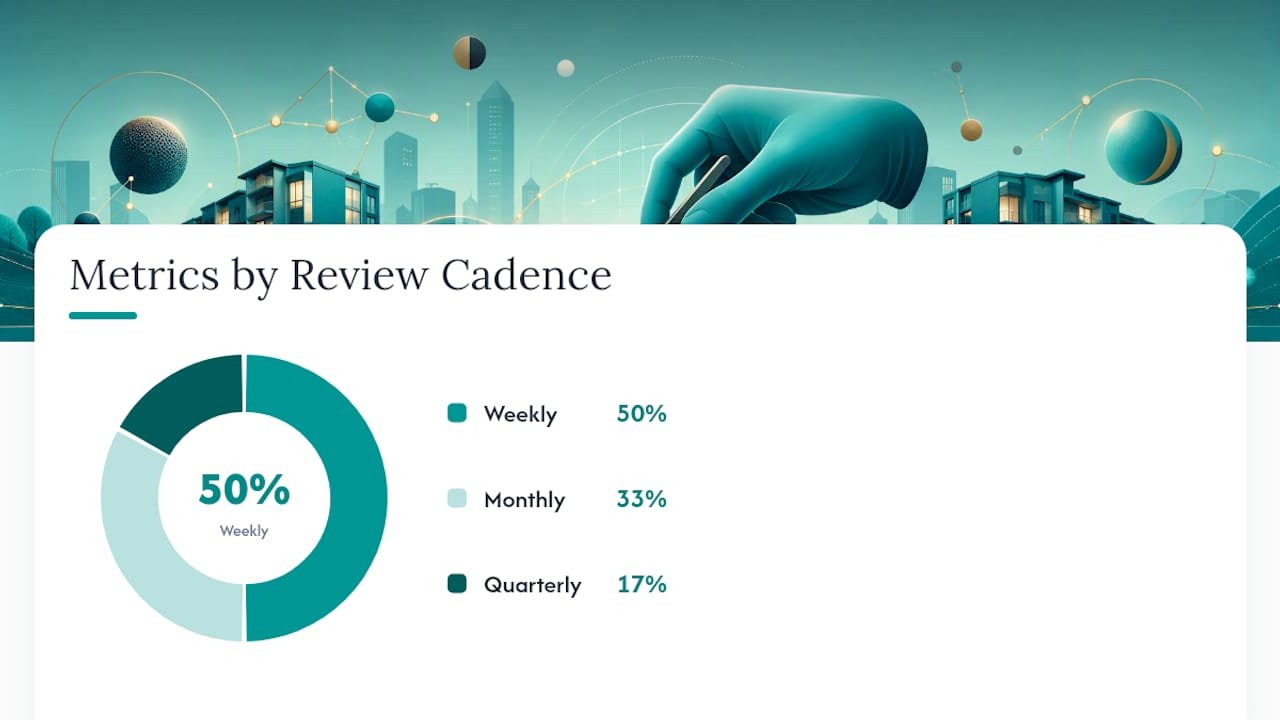
Metric | What It Tells You | Review Cadence |
Net effective rent (NER) | True monthly revenue per unit after concessions | Weekly |
Cost per lease | Total concession spend ÷ leases signed | Monthly |
Tour-to-application conversion | Whether the offer is moving prospects to commit | Weekly |
Lease-up velocity | Units leased per week vs. pro forma pace | Weekly |
Renewal conversion after concession expiry | Whether tenants renew when gross rent kicks in | Monthly |
Clawback recovery rate | Percentage of clawback amounts actually collected | Quarterly |
A/B testing your concession offers
You do not need a large portfolio to run a controlled test. At a single property with multiple floor-plan types, you can run a simple variant:
Control group: One floor plan with no concession, or your current standard offer.
Test group: A comparable floor plan with a soft-perk bundle or a prorated credit of equivalent NER value.
Duration: Run the test for four to six weeks, or until each group has received at least 20 qualified inquiries.
Success criteria: Higher tour-to-application conversion, equivalent or better NER, and no increase in early-termination events in the 90 days following move-in.
If the soft-perk variant converts at the same rate as the free-month offer but costs less, you have your answer. Toggle the winning structure to the underperforming floor plans and retire the higher-cost offer.
Reporting cadence
Weekly: Review NER by floor plan, lease-up velocity, and tour-to-application conversion. Adjust active concessions if a floor plan hits its vacancy trigger threshold.
Monthly: Calculate cost per lease, review renewal conversion for units where concessions expired in the prior 30 days, and reconcile clawback collections.
Quarterly: Portfolio-level assessment of concession spend as a percentage of gross potential rent, review of comp set positioning, and a decision on whether active concessions should be extended, modified, or retired.
What are the risks of using concessions too broadly?
The biggest risk is expectation reset. When a tenant signs at a net effective rent of $1,833 and then faces a renewal at $2,100, the effective increase feels much larger than the stated percentage. That is renewal shock, and it drives turnover at exactly the moment you want to retain a qualified resident.
Persistent concessions at stabilized properties affect lender underwriting and valuation. Lenders and appraisers analyze effective income, not advertised rent. If your property has been running concessions for 18 months, an appraiser will adjust your NOI downward to reflect the effective rent, which compresses your valuation. A well-documented, time-limited lease-up concession is treated differently than an ongoing stabilized discount, which is why documentation and sunset dates matter so much.
The market dynamic compounds this. In supply-pressured submarkets, concessions can become a prisoner’s dilemma: once one operator discounts, others follow, and the discount becomes the expected baseline rather than a competitive differentiator. The counter to that dynamic is surgical, floor-plan-level toggles rather than portfolio-wide offers.
Risk mitigation checklist:
Set a hard sunset date on every concession. No open-ended offers.
Document every concession in a signed addendum with a clawback clause.
Track renewal conversion rates for units where concessions have expired. If renewal rates drop, investigate whether the gross rent increase is the cause.
Brief your capital markets team before refinancing or sale. They need to know which concessions are lease-up specific and which are ongoing, and they need the documentation to support that distinction.
Monitor listing platforms. Platforms like Zillow and Apartments.com flag concessions differently, and some states require all-in pricing disclosures. Make sure your advertised offer matches your lease terms exactly.
Step-by-step playbook for rolling out a surgical concession strategy
This is the operational sequence. Follow it in order, assign ownership at each step, and do not skip the documentation phase.
Analyze your floor-plan performance. Pull vacancy rates, days-on-market, and tour-to-application conversion by floor plan. Identify which units are dragging and by how much.
Model the net-effective impact. Before approving any offer, calculate NER for the proposed concession. Confirm the cost per lease fits within your approved budget.
Get approval through a defined gate. No concession goes live without sign-off from the asset manager or revenue lead. Define the approval threshold: who can approve offers up to one month’s rent, and who needs to escalate beyond that.
Update marketing channels simultaneously. When a concession goes live, update your listing sites, your property website, and your leasing team’s talking points at the same time. Inconsistent messaging across channels creates compliance risk and confuses prospects.
Execute the lease addendum. Every concession must be in a signed addendum before the tenant takes possession. No verbal offers, no informal emails.
Track and reconcile. Log every concession in your accounting system with the correct application method. Set a calendar reminder for clawback review at the 90-day mark post-move-in.
Roles and responsibilities
Role | Responsibility |
Asset manager / revenue lead | Sets vacancy triggers, approves offers, reviews NER weekly |
Property manager | Executes lease addenda, updates marketing channels, briefs leasing team |
Leasing team | Communicates offers accurately, flags conversion issues, collects signed addenda |
Accounting | Records concessions correctly, tracks clawback collections, reports cost per lease |
Owner-level governance cadence: Review active concessions weekly with your property manager. Conduct a monthly portfolio-level review of NER, cost per lease, and renewal conversion. Quarterly, assess whether any active concessions have become structural rather than tactical, and retire them if so.
For lease expiration management tied to concession clawbacks, ExpirationIQ provides a structured framework for tracking when concessions expire and when clawback windows open.
The mistake most operators make with concessions
The most common mistake I see is treating a concession as a marketing decision rather than a pricing decision. An operator posts “one month free” because a competitor did it, without modeling the NER, without a sunset date, and without a clawback clause. Six months later, the concession is still running, the comp set has moved on, and the property is now underwriting at a lower effective rent than it needs to be.
The better approach is to assign a specials gatekeeper: one person who owns the weekly concession review, who has the authority to turn offers on and off by floor plan, and who reports directly to the asset manager. That person runs the numbers before any offer goes live and kills it the moment the vacancy trigger is resolved. Concessions are not a set-and-forget tactic. They require the same weekly attention as any other pricing decision.
The other thing I would push back on is the assumption that tenants always respond better to cash discounts than to perks. Perceived value often outperforms raw dollar discounts, particularly for younger renters who are comparing multiple options quickly on listing sites. A well-packaged perk bundle with a clear stated value can convert just as well as a free month, at a fraction of the actual cost. That is where the real margin protection lives.
The Revenue Method can help you build this into your operation
Most operators know they should be more surgical with concessions. The gap is usually execution: no defined approval process, no floor-plan-level tracking, no clawback documentation, and no one accountable for the weekly review.

The Revenue Method works with multifamily owners, operators, and asset managers to build exactly that infrastructure. Services include revenue advisory, concession governance frameworks, lease addendum templates, amenity valuation reviews, and weekly cadence setup. The work is practical and operator-led, not software-dependent. Whether you are managing a single asset or a portfolio across multiple markets, the starting point is the same: clean data, clear approval gates, and a weekly review habit that keeps concessions targeted rather than habitual.
If you want to work through your current concession posture and build a floor-plan-level strategy, book a paid advisory session with The Revenue Method. It is a focused, no-fluff conversation that ends with a clear next step for your specific asset.
Sources
Recommended

Comments